
If a tool can produce convincing creative work, which choices preserve a person’s authorship?
Video essays
Season one
Written by Carl Brunson
The design choices inside the tools, images and sounds we create with.
When tools make creation easier, where do human judgment and cultural meaning move?
Four essays move through authorship, interfaces, musical instruments and fashion. Each braids three strands: an object or experiment from my own work, a second field that shows the same mechanism, and what it means for people. AI is one case among several, not the whole subject.
Interfaces don’t simply present choices. They express assumptions about people, and intelligent systems can increasingly act on those assumptions.

Instruments have characteristics that shape the music made with them. Invention happens when people do unexpected things with those characteristics.
Taste is shaped by the work, the people interpreting it and the institutions that give it context. AI may change who gets to create and who gets recognized.


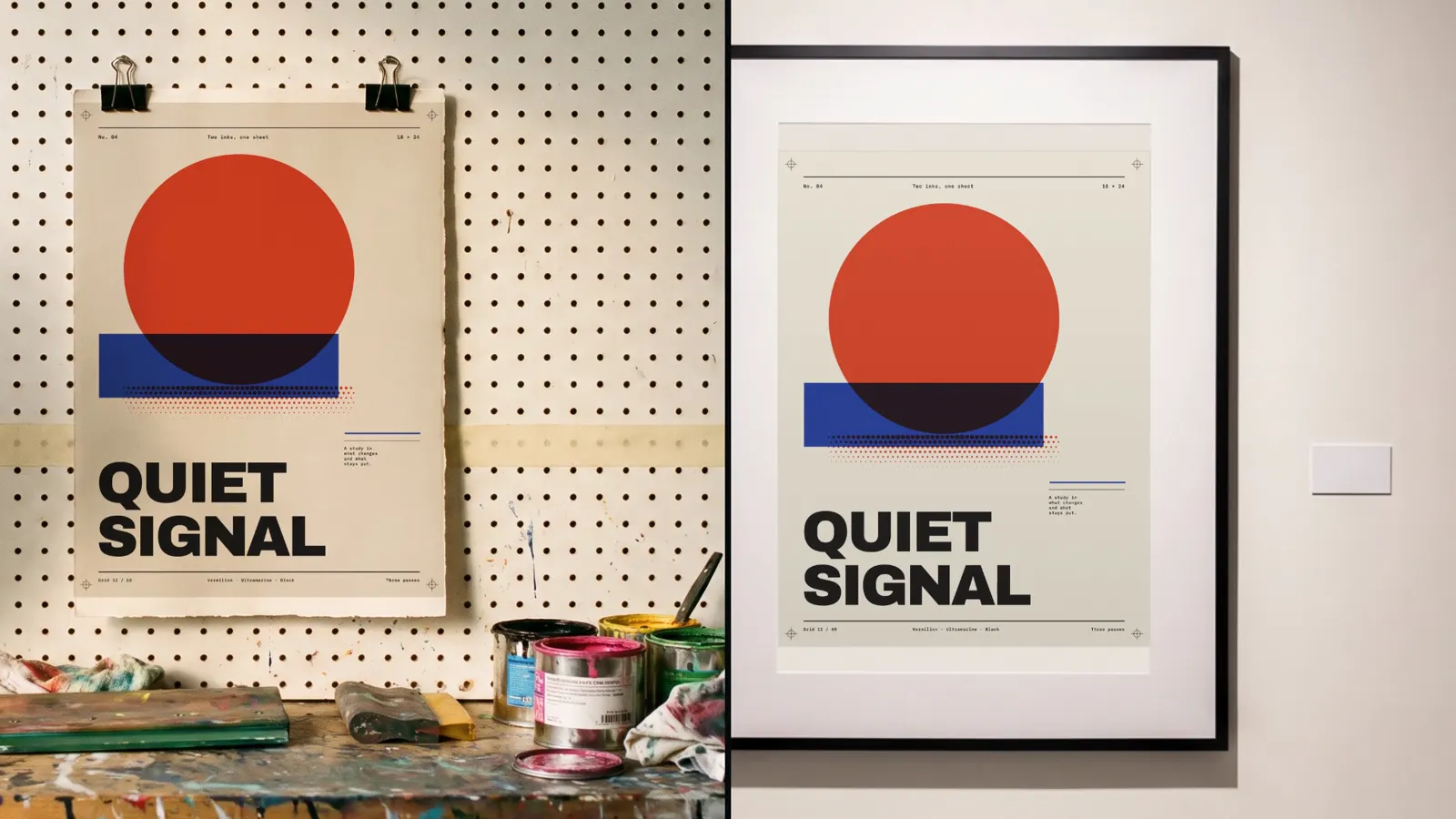
From the channel art
Nineteen
Nineteen
faces
Mathematicians, composers, engineers and performers whose portraits make up the Thinking Digits channel art.
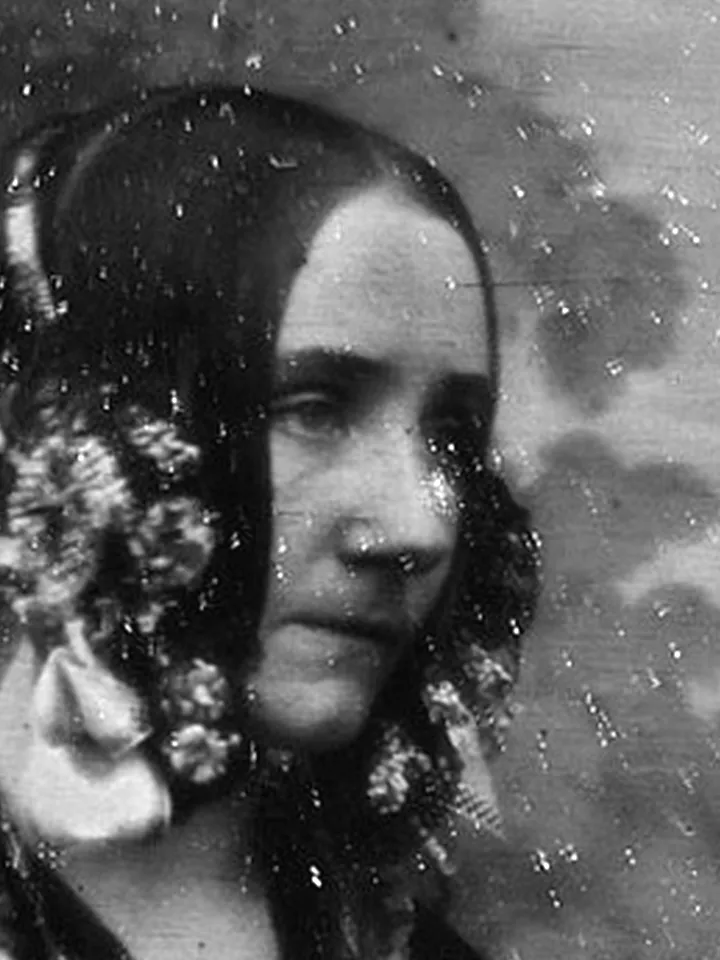 01Ada LovelaceMathematician
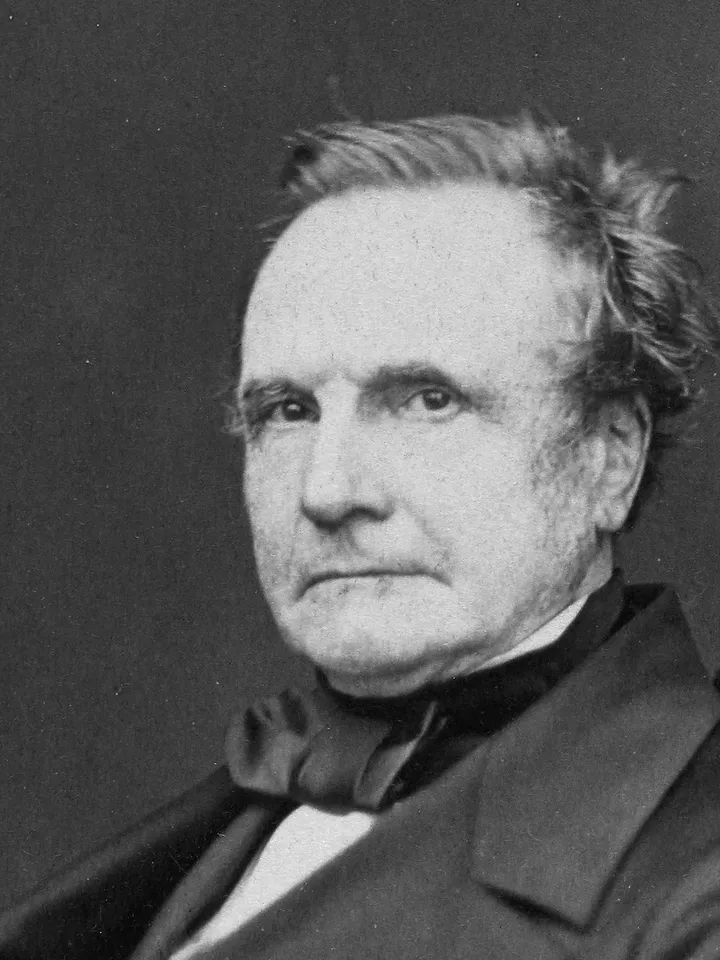 02Charles BabbageMathematician, inventor
 03Hedy LamarrActor, inventor
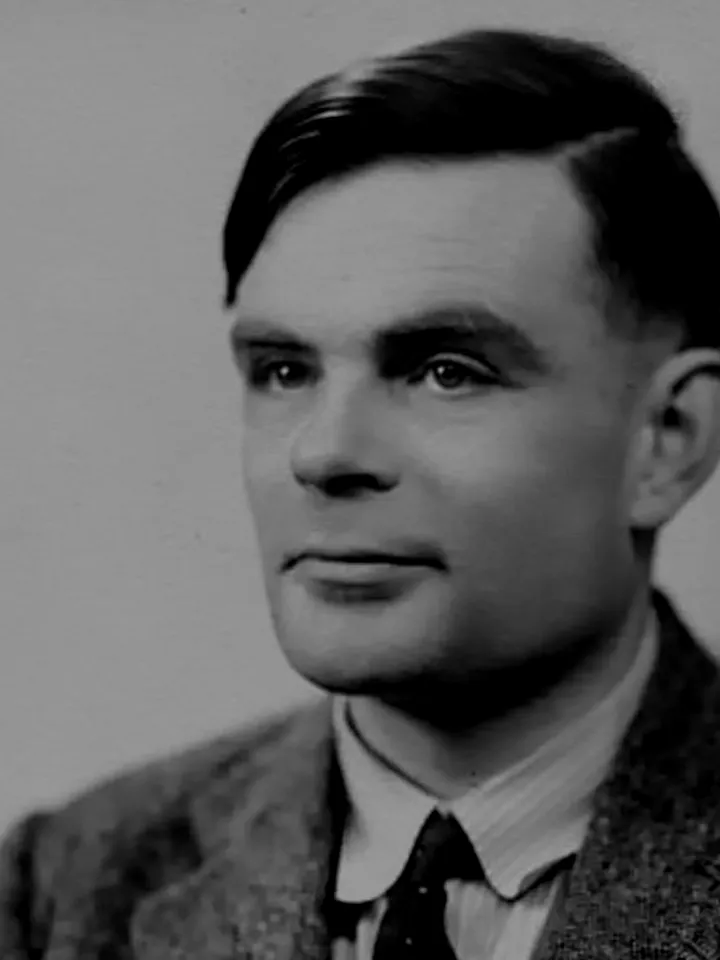 04Alan TuringMathematician
 05Grace HopperComputer scientist
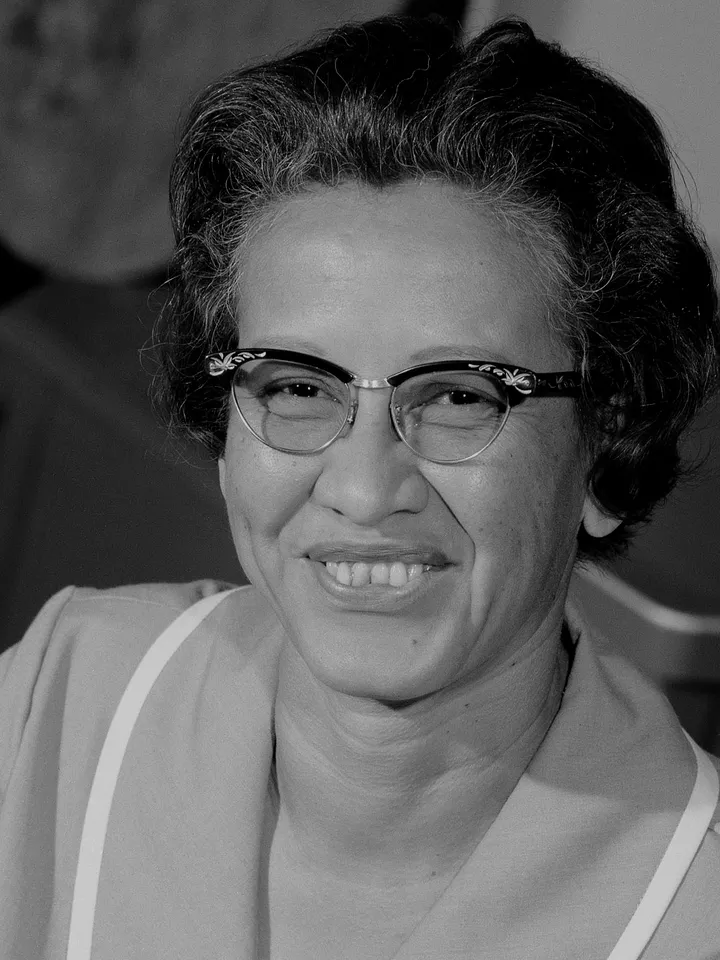 06Katherine JohnsonNASA mathematician
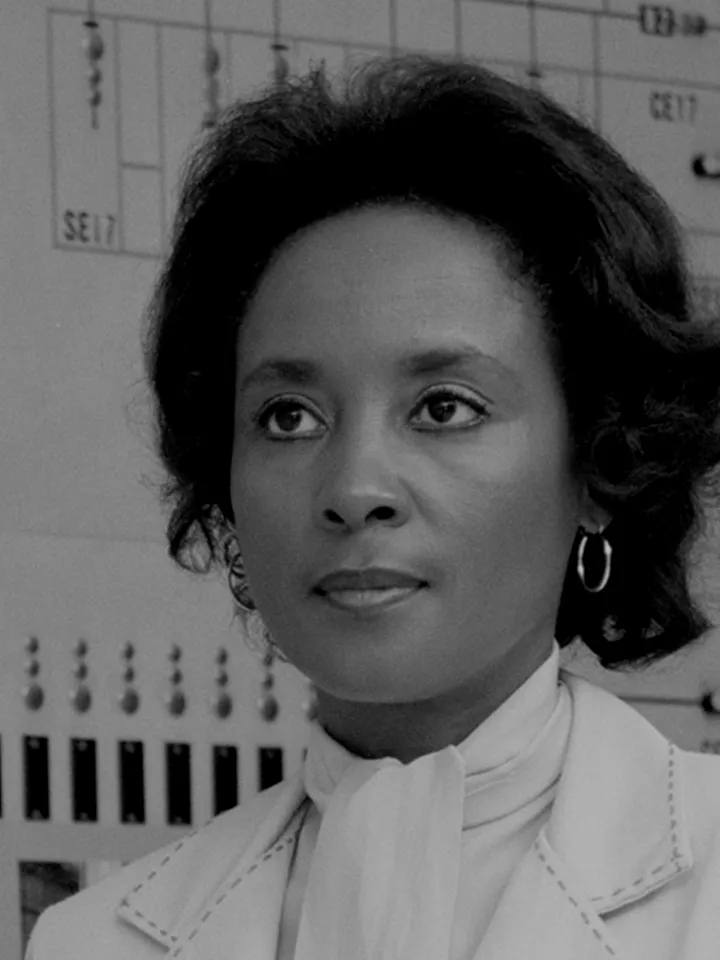 07Annie EasleyNASA computer scientist
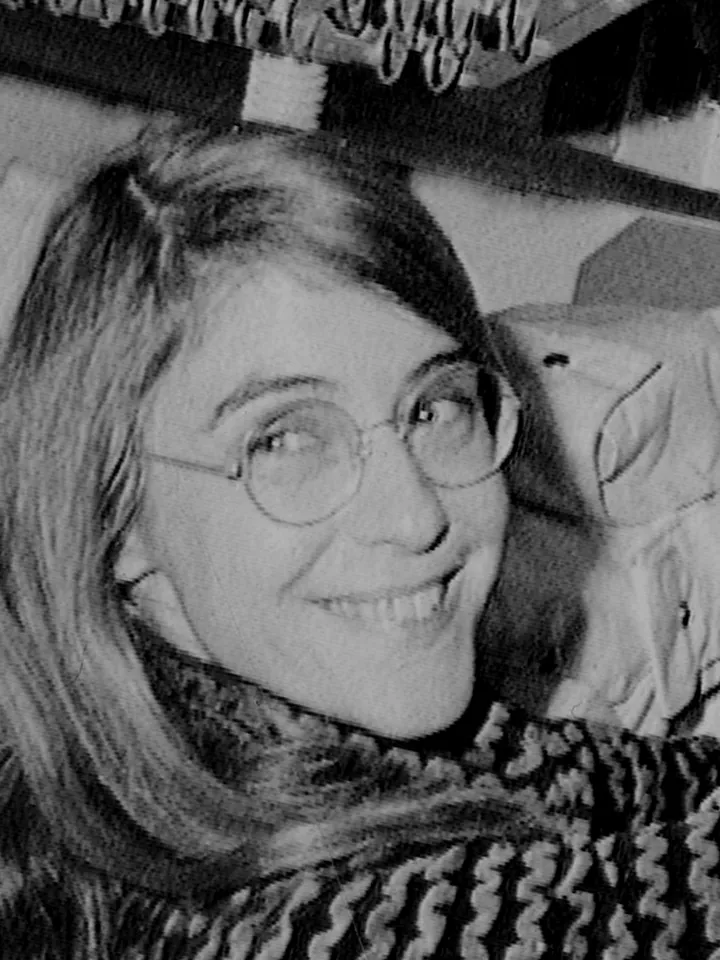 08Margaret HamiltonSoftware engineer
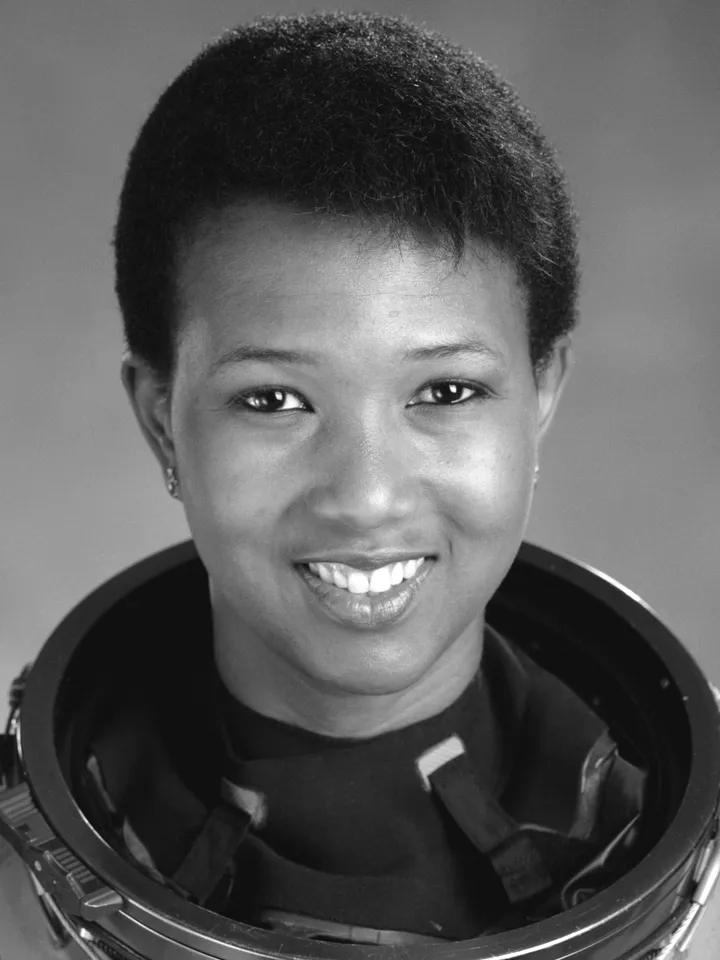 09Mae JemisonAstronaut, engineer
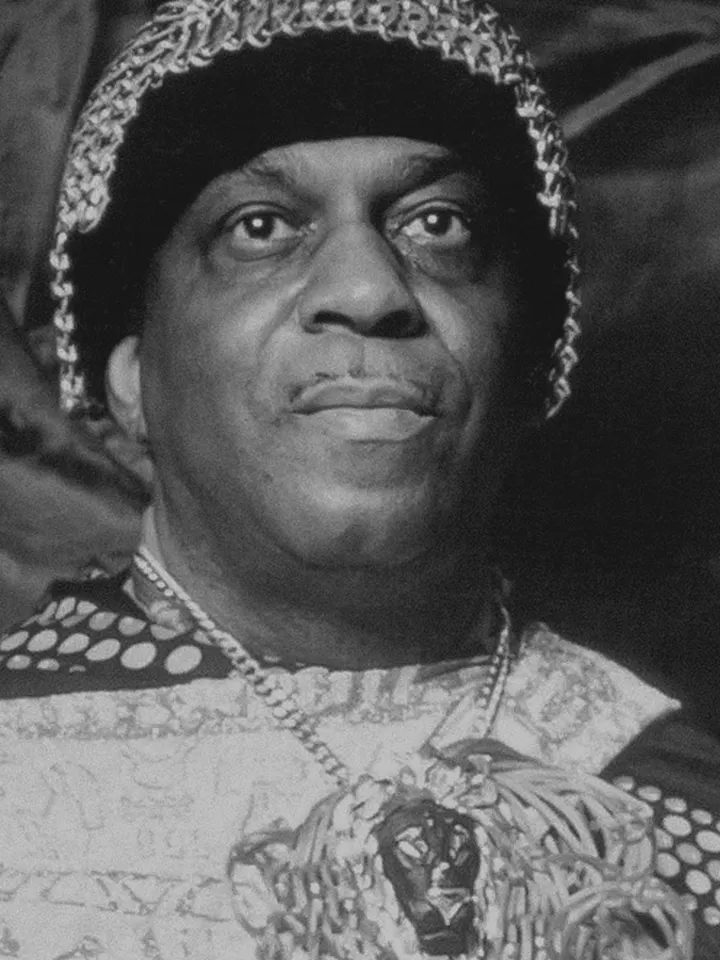 10Sun RaComposer, bandleader
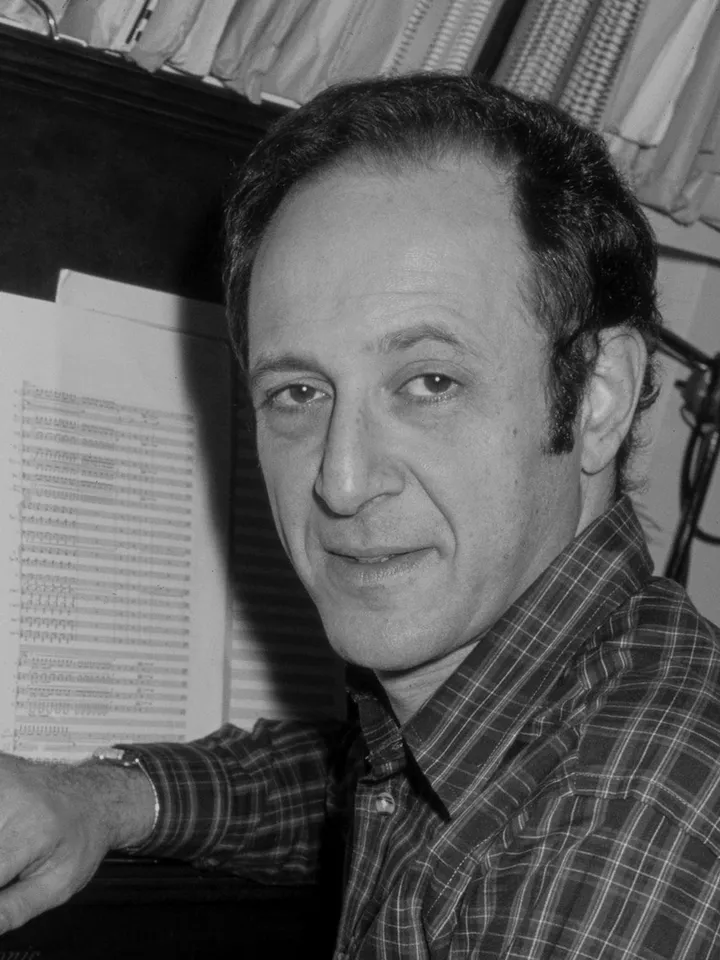 11Steve ReichComposer
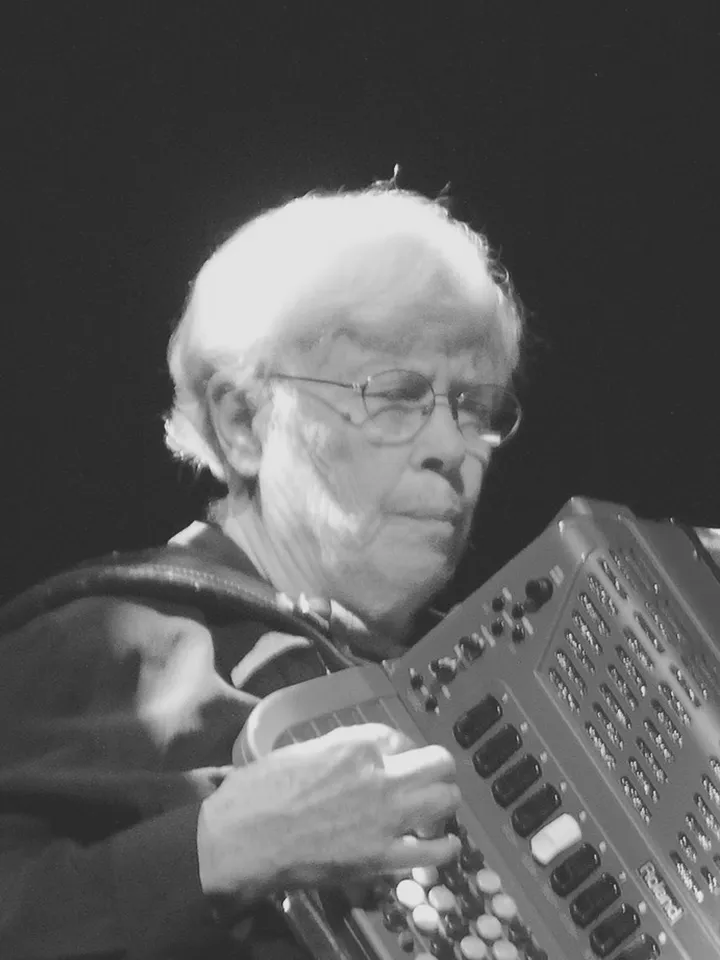 12Pauline OliverosComposer
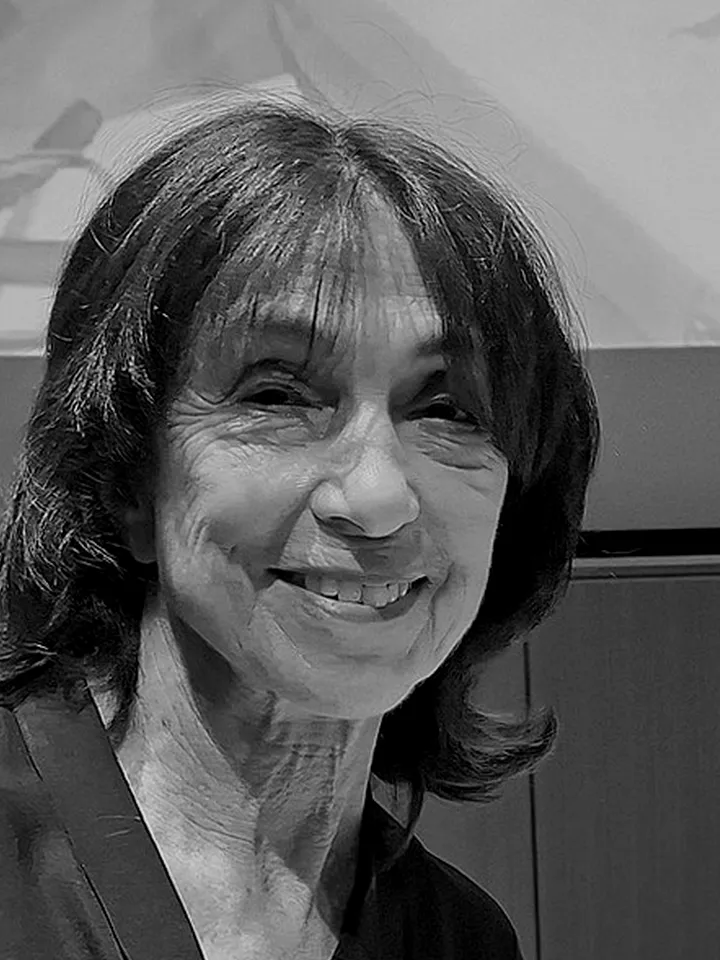 13Suzanne CianiSynthesist
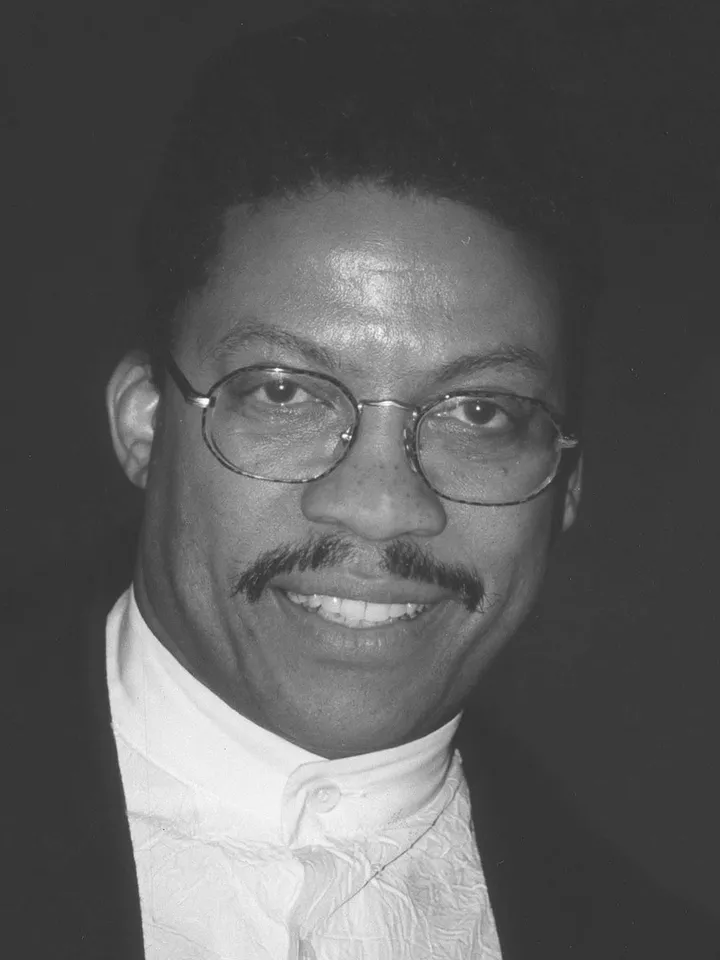 14Herbie HancockPianist, composer
 15Stevie WonderMusician
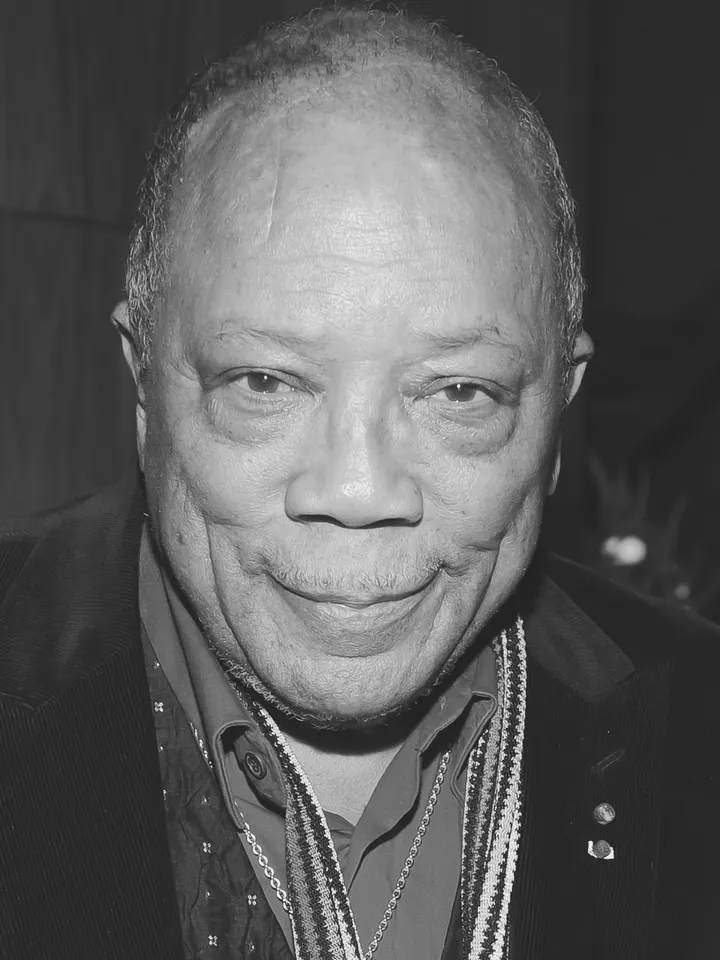 16Quincy JonesProducer
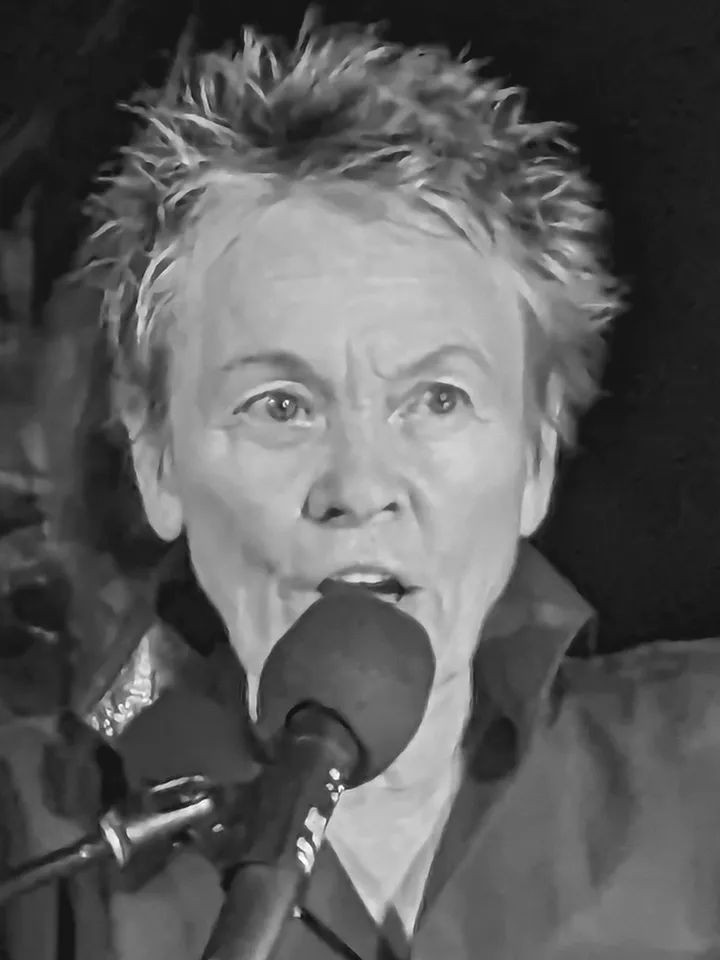 17Laurie AndersonArtist, musician
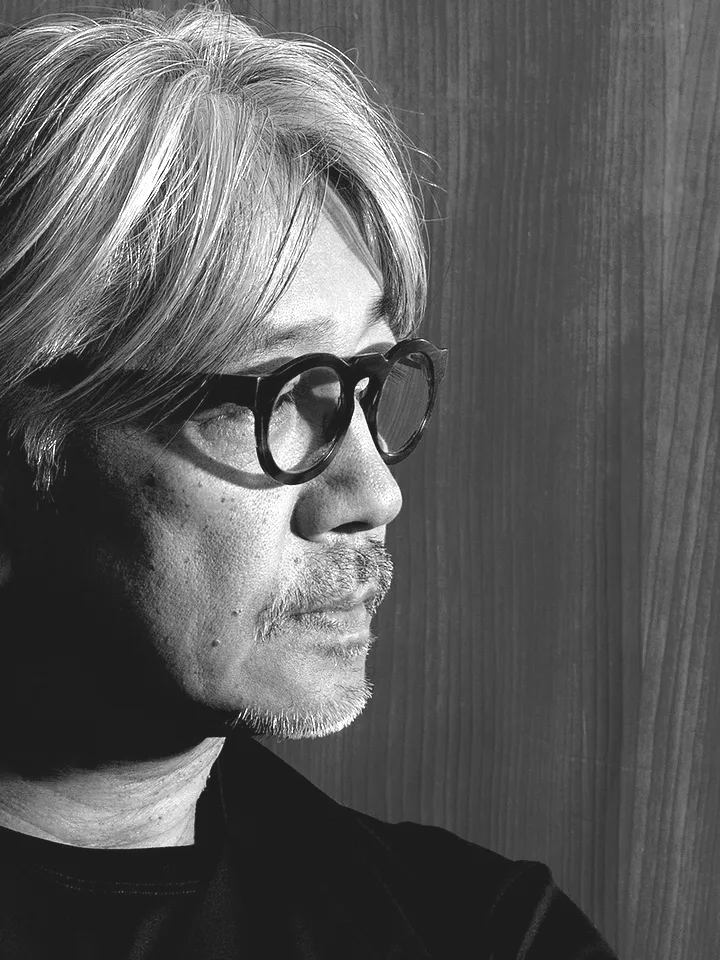 18Ryuichi SakamotoComposer
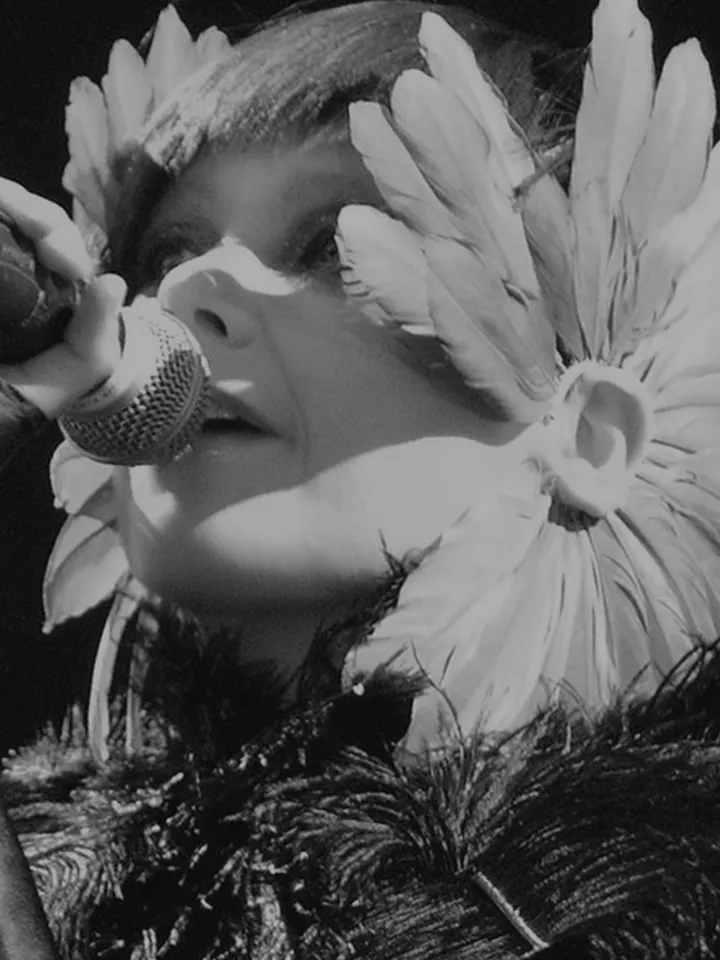 19BjörkMusician